Green Valley
Henderson's original master plan, now decades old. What owners of earlier Green Valley homes should expect when selling as-is.
Henderson is not one housing market. A 1940s Townsite cottage, a Green Valley two-story and a gated Seven Hills home each come with different paperwork, different wear and different questions. Here is how we think about each one.
Most of the city grew in layers. First came the wartime housing built for Basic Magnesium workers, then the master-planned communities that started with Green Valley in 1978, then the hillside and golf communities of the 1990s, and finally the newer plans pushing toward the southwest edge of town. Each layer brought its own builders, its own association setup and its own typical house.
That matters when you sell. A house in a gated community with a sub-association and a master association has a different paper trail than an older home on a street that predates master HOAs. A roof installed in the late 1990s is in a different spot than one put on a decade ago. We buy houses as-is, for cash, all over the city, and knowing the neighborhood helps us ask better questions before we make an offer.
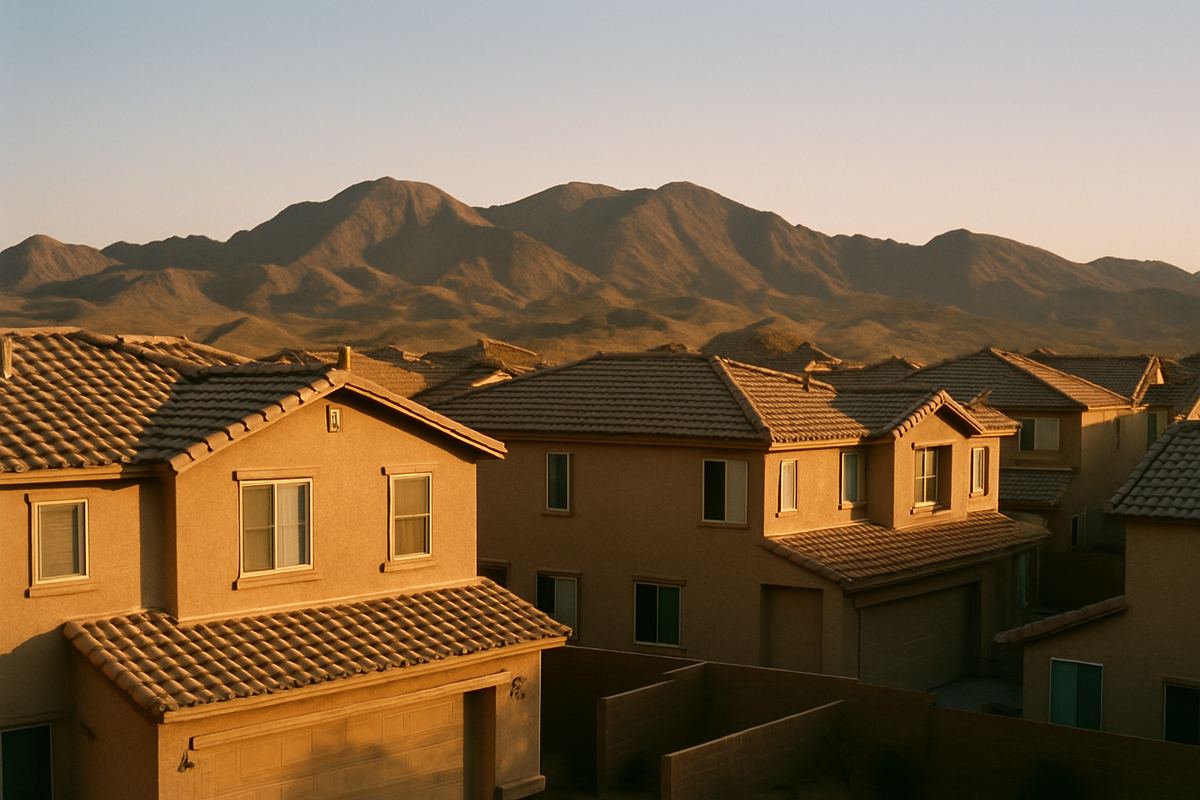
Henderson's original master plan, now decades old. What owners of earlier Green Valley homes should expect when selling as-is.
The 215-era master plan near Paseo Verde Park and The District, where late-1990s homes are hitting their second round of major repairs.
Guard gates, hillside lots and two layers of HOA. How a direct cash sale works for a home inside Seven Hills.
Del Webb's foothill master plan near Sloan Canyon: separate communities, one council, and what that means when you sell as-is.
A family-held foothill tract split into villages, from Sunridge to guard-gated MacDonald Highlands, and how each one sells as-is.
Central Henderson near the Galleria and Whitney Mesa, where 1990s and 2000s homes, rentals and long ownerships meet.
The wartime Townsite, Water Street District and Victory Village area: Henderson's oldest houses and what selling one involves.
West Henderson's park-centered plan, born in the late 2000s. Why owners of newer homes still choose a direct as-is sale.
The original Townsite, the Water Street District and the Victory Village area are where Henderson started. Homes here are older, lots vary, and many owners have held them for decades. Our page on selling a house near Water Street and the Townsite covers what tends to come up with these properties.
Southern Nevada's first big master plan, opened in 1978 by American Nevada Corporation. Its earliest homes are on a second or even a third set of major systems by now. The Green Valley neighborhood guide walks through those older sections.
Central Henderson between the Galleria at Sunset and Whitney Mesa, built out mostly from the mid-1990s into the 2000s by a range of builders. Read about selling in Whitney Ranch if your house sits near Sunset Road.
Fill this in and a local person looks at your address, your neighborhood and what you tell us about the house. We'll call with questions, then walk through it with you before putting a number in writing.
Rather talk first? Tap TALK TO ALEX and our line rings straight through.
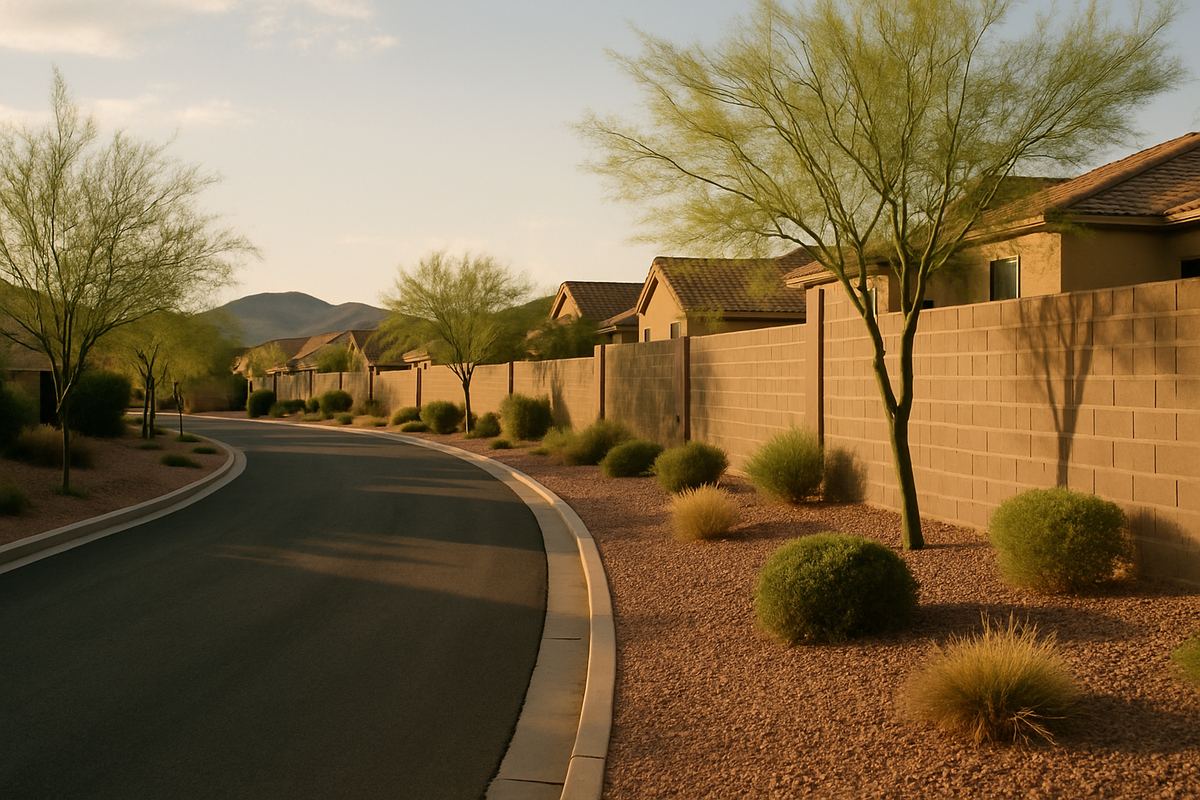
Planned around the 215 Beltway and opened in the 1990s, with Paseo Verde Park and The District nearby. See the notes on Green Valley Ranch homes and their associations.
A land holding the MacDonald family split into villages, including Sunridge and the guard-gated MacDonald Highlands, set against the McCullough Range. Our MacDonald Ranch foothills page explains how those villages differ.
A guard-gated community opened in the mid-1990s around the golf course originally called Rio Secco. The Seven Hills guard-gated sale guide covers gate access, sub-associations and hillside lots.
Del Webb's master plan, approved in 1997 and opened the next year, made up of several separate communities under one community council. Start with how Anthem's community structure affects a sale.
The West Henderson plan that broke ground in the late 2000s, stalled in the recession and then filled in through the following decade. Our Inspirada page for newer homes is written for owners of younger houses.
Neighborhood names in Henderson blur at the edges, and plenty of homes sit in a subdivision most people have never heard of. That is fine. Tell us the address and we will figure out the association picture with you. If you are still deciding whether selling is the right move at all, our overview of common reasons Henderson owners sell may help you think it through. The step-by-step of our direct sale is the same in every part of the city: we see your Henderson house in its current condition, make a cash offer, and the closing date is yours to set.
Yes, as long as the house is inside the City of Henderson. These eight pages cover the areas we hear about most, but Henderson has many smaller subdivisions and older streets that do not fit neatly under a master-plan name. If your address is in Henderson, we are glad to look at it, whatever its age or condition.
The neighborhood shapes the questions we ask more than anything else. We want to know which associations apply, roughly how old the roof and major systems are, and whether there are access steps like a guard gate. Those details help us make an as-is offer that reflects the actual house rather than a generic estimate.
Yes. Gated communities in Seven Hills, MacDonald Highlands, Anthem and elsewhere usually just mean extra coordination. The gate needs our names for visits, and the associations need to produce their resale paperwork. We work around those steps on your schedule and do not ask you to handle them alone.